9 Common Mosaic Tile Myths (and the Truth About Them)
Mosaic tiles are one of the longest-standing options in interior design. But they’re also sometimes one of the most misunderstood.
Speak to different people, and you’ll often hear completely different stories. Some will say they’ve heard mosaics are outdated, others think they’re difficult to maintain, or only suited to certain styles or spaces. If you’ve been researching mosaics, you might have come across a lot of mixed advice about them.
The reality is that mosaic tiles are one of the most versatile, beautiful, and practical tiling options available. The confusion usually comes from how they’re used, rather than the tiles themselves.
Part of the challenge is the variety. Different materials, finishes, and layouts can make mosaics seem more complicated than they really are. But once you understand how they’re intended to be used, they’re often one of the easiest and most flexible choices for kitchens, bathrooms, and feature areas.
In this guide, we break down the most common mosaic tile myths and explain what’s actually true. By the end, you’ll have a clearer understanding of how mosaics really work, where they perform best, and how to use them with confidence.
Why There Are So Many Misconceptions About Mosaic Tiles
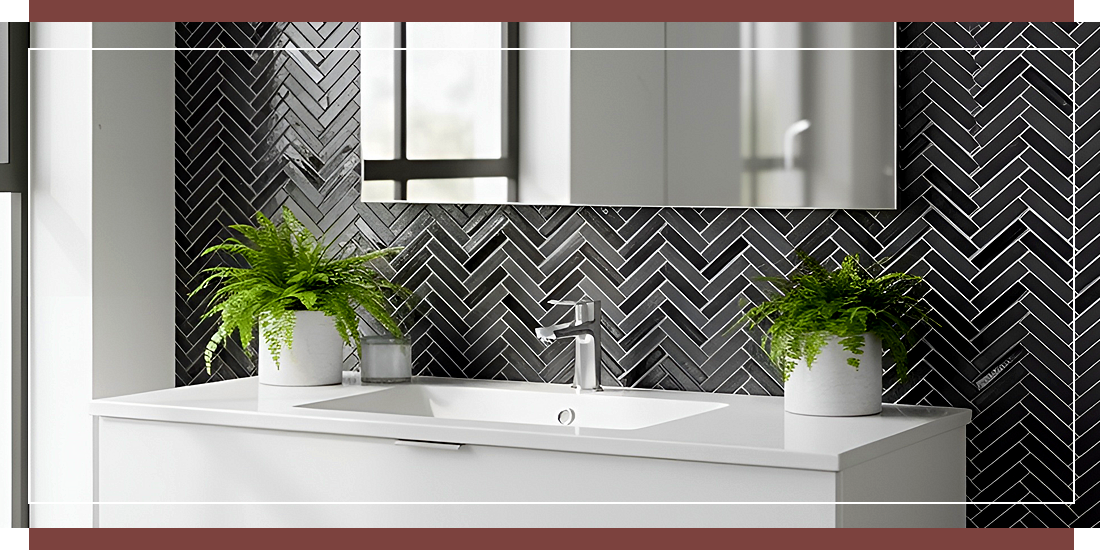
There are quite a few conflicting opinions about mosaic tiles, and it’s easy to see why. Different materials, finishes, and uses all behave differently, but they’re often talked about as if they’re the same thing.
Without that context, it’s easy for assumptions to form, especially when people are comparing very different types of tiles or relying on outdated information.
The Small Tile Format Makes Details More Noticeable
Because mosaics are made up of many small tiles, there’s naturally more visual detail across a surface than with larger tiles.
This often means grout lines are more visible, spacing and alignment stand out more, and patterns and layout are easier to notice. As a result, mosaic installations tend to draw more attention, making the overall finish and detail more noticeable than with larger tiles.
Not All Mosaic Tiles Behave The Same
Mosaic tiles are available in a wide range of materials, including glass, stone, marble, and metal.
Each of these materials has different properties, but this isn’t always obvious when looking at mosaics as a single category. Advice that applies to one type of mosaic can easily be mistaken as applying to all of them.
Outdated Advice is Still Widely Shared
Some misconceptions come from older design trends and installation practices that are no longer as common today.
In the past, mosaics were often used differently, and those perceptions have carried forward, even though design approaches and materials have evolved significantly.
Installation Issues Are Often Attributed to the Tiles
When mosaic installations don’t look right, the tiles themselves are often blamed.
In reality, visible issues are usually linked to how the tiles have been installed, but this distinction isn’t always clear to people when they start exploring mosaics for the first time.
Mosaics are pretty easy to work with, even for non-professionals. But they do need a bit of care and attention during installation to achieve a perfect finish.
Understanding where these misconceptions come from makes it much easier to separate fact from fiction and to approach mosaic tiles with a clearer perspective. So let’s move on to look at the most common myths you’ll likely hear about them, and find out where the truth actually lies.
Myth 1: Mosaic Tiles Are Difficult to Install
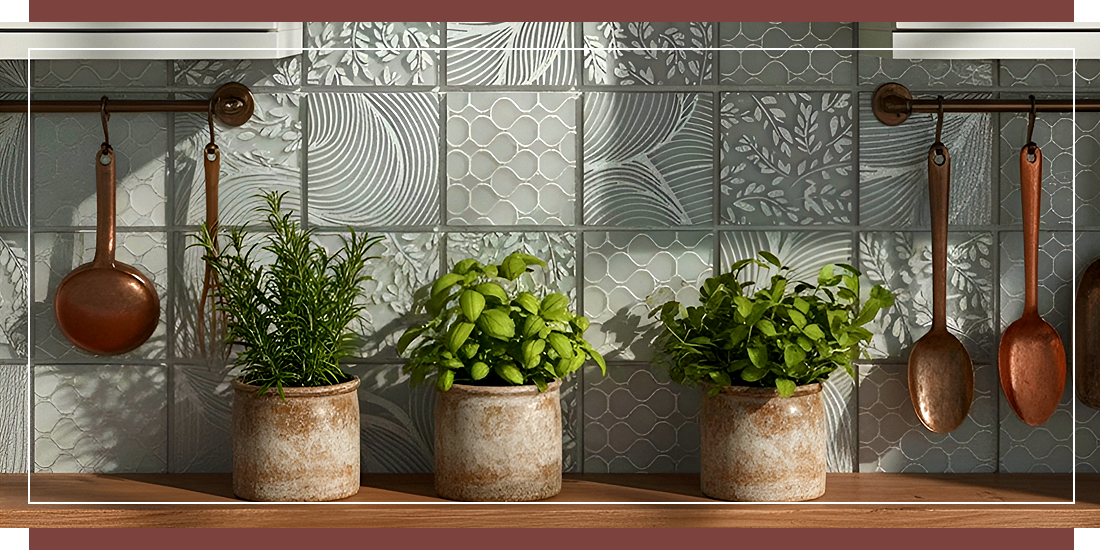
Many people assume mosaic tiles are harder to install than standard tiles because of their small size and detailed appearance.
Why This Myth Exists
At first glance, mosaics look more complex. The number of individual tiles, combined with visible grout lines and patterns, can make them seem more time-consuming and difficult to position accurately.
There’s also a common misconception that each small tile needs to be placed individually, which would indeed make installation slow and challenging.
The Truth
Mosaic tiles are designed to make installation more efficient, not more difficult.
Most mosaics are supplied on mesh-backed sheets, which means you’re able to install multiple tiles at once. Spacing is already consistent, and patterns are pre-aligned, so you don’t need to worry about placing each tile in exactly the right spot.
This significantly reduces installation time compared to placing individual tiles. However, that being said, mosaics do still require attention to detail, particularly where sheets meet. Careful alignment and finishing are really important to ensure a seamless result.
Our Tiling Experts Say:
“Mosaics aren’t hard to install so much as less forgiving. The format is designed to speed up installation, but good preparation and taking care to align each sheet really do make a big difference to the final finish.”
Key Takeaways
Mosaic tiles are not installed individually and usually come on sheets
The sheet format actually speeds up installation
Precision is still important, especially at joins
With the right preparation and technique, mosaic tiles are no more difficult to install than other tile formats, just slightly different in approach.
Myth 2: Mosaic Tiles Are Too Busy
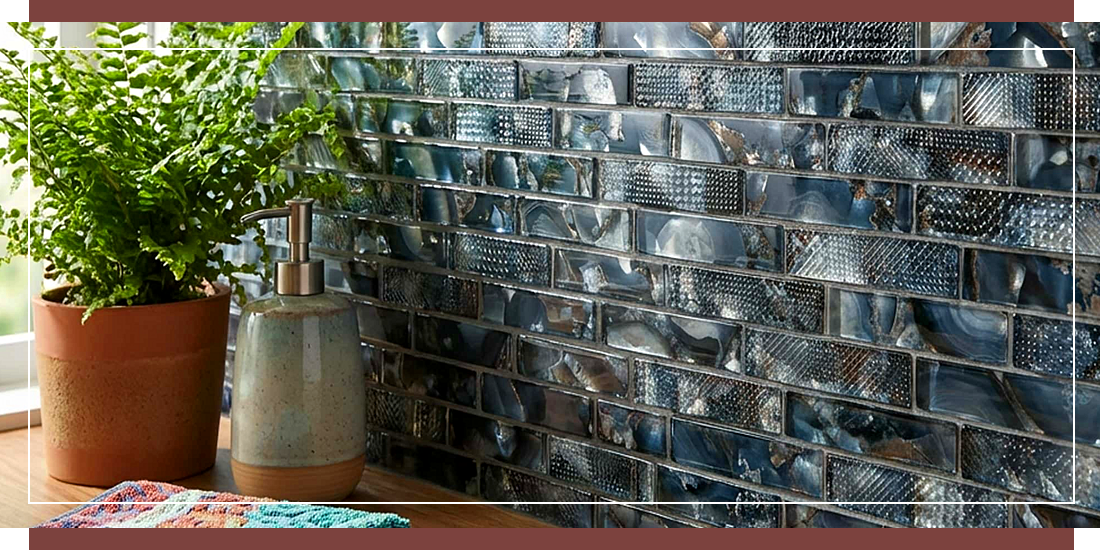
A common concern some people have about mosaic tiles is that they think they’ll make a space feel cluttered or overwhelming.
Why This Myth Exists
Because mosaic tiles are made up of many small pieces, they naturally create more visual detail than larger tiles.
When mosaics use strong colour contrast, multiple different finishes, and intricate patterns, they can appear quite busy. The effect is amplified, especially when viewed on a small sample or used across a large surface.
This can lead to the assumption that all mosaics will feel overwhelming, regardless of how they’re used.
The Truth
Mosaic tiles only feel busy when they’re used in a way that creates too much visual intensity for the space.
In practice, mosaics can be as subtle or as bold as you choose. Factors such as colour palette, finish, and layout all have a significant impact on how they appear once installed.
For example, using neutral tones creates a calm, cohesive look while the subtle variation inherent in mosaics adds texture without strong contrast. Simpler layouts, such as square, herringbone, or brick patterns, also reduce visual intensity while adding interest and personality to a space.
It’s often the case that less is more when deciding where to use mosaics. So rather than using them for a full wall, a more considered approach is to use them in defined areas such as splashbacks or niches. Here, mosaics are a great way to enhance a space rather than overwhelm it.
Our Tiling Experts Say:
“If a mosaic already feels busy on a small sample board, it will feel busier once it’s installed across a large surface. In most cases, restraint around where you use mosaics gives you a result that provides impact but is more balanced visually.”
Key Takeaways
Mosaic tiles aren’t inherently busy; design choices determine how they look
Colour, contrast, and layout all influence visual impact
Using mosaics in smaller areas helps maintain balance
When used thoughtfully, mosaics can add just the right amount of detail without making a space feel crowded.
Myth 3: Mosaic Tiles Are Hard to Maintain
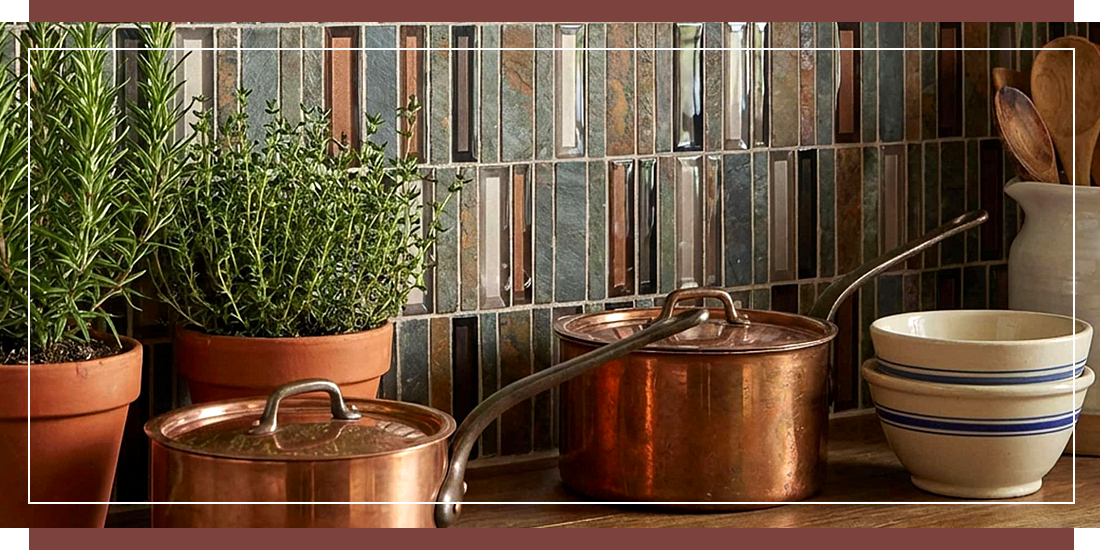
Another common concern is that mosaic tiles require a lot more upkeep than larger tiles and are more difficult to keep clean.
Why This Myth Exists
Because mosaics have more grout lines than larger tiles, people often assume they’ll be harder to keep clean. Grout is more visible with mosaics, so it’s easy to think that there’s more to clean, staining will be more noticeable, and so maintenance will be more time-consuming.
This perception is often based on appearance rather than how mosaics actually perform day to day.
The Truth
Maintenance depends far more on the material than the size or format of the tile. For example, glass mosaics are non-porous, easy to wipe clean, and don’t require sealing. That makes them very low maintenance and ideal for places like bathrooms and kitchens.
Stone and marble mosaics may require sealing and more careful cleaning, but that is because of the material, not because they’re mosaics. A large-format stone tile would require the same level of care.
Grout does play a role, but modern grouts and proper sealing can significantly reduce staining and make cleaning straightforward. In many cases, mosaic tiles are just as easy to maintain as larger tiles, especially when the right materials are chosen for the space.
Our Tiling Experts Say:
“What matters most in terms of upkeep is the material you choose and whether it suits the space. A glass mosaic in a shower is very different from a natural stone mosaic in the same area.”
Key Takeaways
Maintenance depends on material, not tile size
Glass and ceramic mosaics are typically low-maintenance, particularly in wet areas
Grout care is important, but not a huge maintenance job if you use the right products
With the right choices and basic upkeep, mosaic tiles can be just as practical to live with as any other tile.
Myth 4: Mosaic Tiles Are Outdated
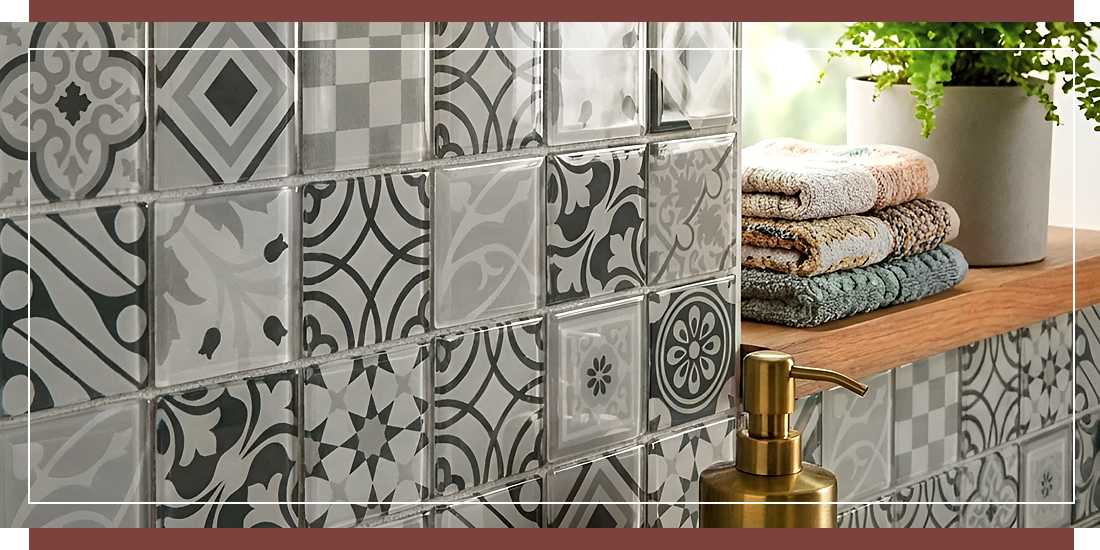
A misconception you might hear about mosaic tiles is that they’re dated or no longer in style.
Why This Myth Exists
This misconception often comes from seeing older installations where mosaics were used more heavily or in ways that no longer align with current design preferences.
In the past, mosaics were often used across entire walls or floors, with more intricate and decorative layouts. When people associate mosaics with those styles, it’s easy to assume the tiles themselves are outdated, rather than recognising that it’s the overall design approach that has changed.
The Truth
Mosaic tiles themselves are timeless. What changes over time is how they’re used. In fact, mosaics have been used in interiors for centuries, long before modern design trends existed. That alone highlights an important point: they aren’t tied to a particular era in the same way colours or patterns can be.
Today, mosaics are typically used more selectively, as part of a balanced design that combines larger tiles with areas of texture and detail.
Our Tiling Experts Say:
“Tiles don’t tend to date on their own, it’s usually the overall scheme around them that does. We see mosaics used beautifully in both classic and very modern interiors when the design is balanced.”
Key Takeaways
Mosaic tiles don’t go out of style
Design trends affect how they’re used, not whether they’re relevant
More selective, balanced use tends to feel more modern
When used well, mosaic tiles suit everything from traditional interiors to clean, contemporary spaces.
Myth 5: Mosaic Tiles Can’t Be Used on Floors
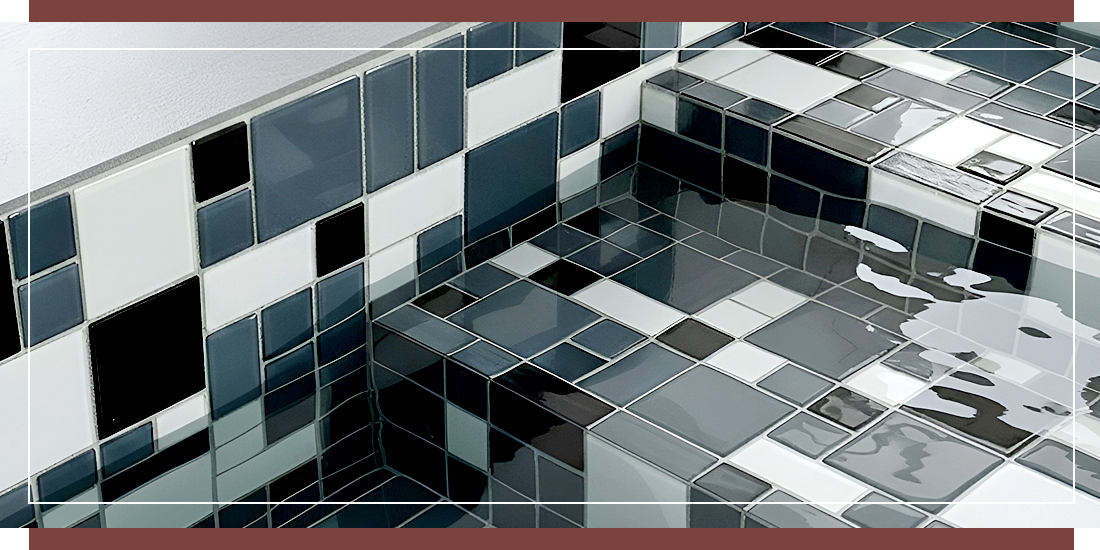
Some people assume mosaic tiles are only suitable for walls and shouldn’t be used on floors.
Why This Myth Exists
Because mosaic tiles are smaller and often more decorative, they can be perceived as less durable or not suitable for areas that experience foot traffic.
There’s also a tendency to associate mosaics with walls, splashbacks, and feature areas, which reinforces the idea that they’re not designed for floors.
The Truth
Many mosaic tiles are perfectly suitable for floor use — and in some cases, they’re actually ideal.
One of the main advantages of mosaics on floors is the increased number of grout lines, which can improve grip. This is why mosaics are commonly used in places like shower floors, wet rooms, and bathroom areas.
However, suitability always depends on the specific product. Factors such as material, finish, and slip resistance all need to be considered.
Our Tiling Experts Say:
“We regularly see mosaics used as a flooring option, especially in showers, wet rooms, and pool areas. The important thing is to check the product is rated for floor use, rather than assuming all mosaics behave the same way.”
Key Takeaways
Mosaic tiles can be used on floors, depending on the product
The extra grout lines can improve traction in wet areas
Always check the tile’s suitability for floor use
When chosen correctly, mosaic tiles can be both practical and visually effective on floors as well as walls.
Myth 6: Mosaic Tiles Are Only for Small Areas
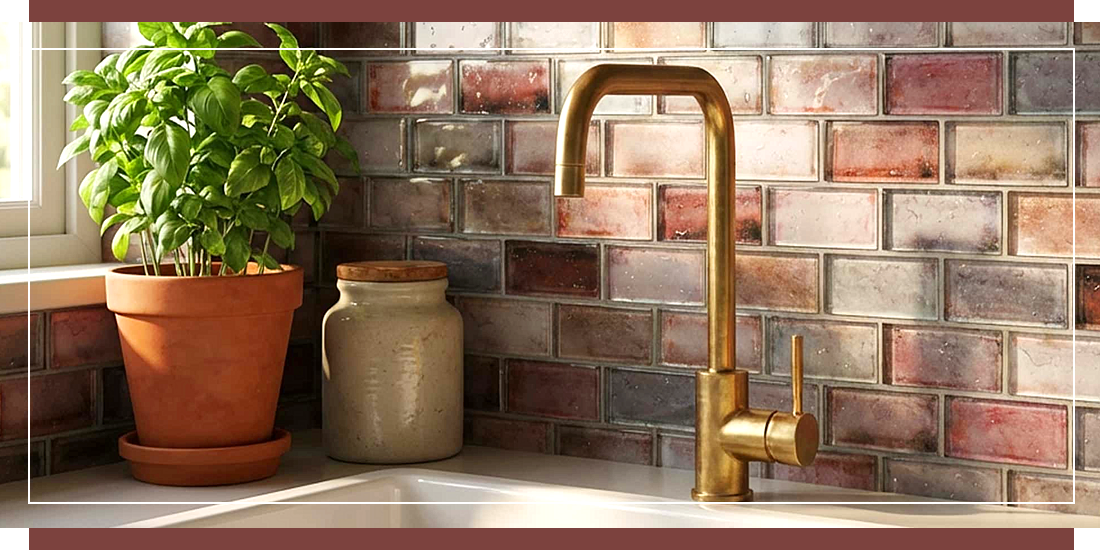
Something else you might hear about mosaic tiles is that they should only ever be used in very small spaces, such as splashbacks, shower niches, or decorative borders.
Why This Myth Exists
Mosaics are often shown in smaller feature areas because that’s one of the most effective ways to use them. They also have a lot of visual detail, so people sometimes assume they would feel too busy or overwhelming if used more widely.
As a result, mosaics can be seen as a finishing touch rather than a material that can shape a whole scheme.
The Truth
Mosaic tiles can absolutely be used beyond small feature areas, it simply depends on the design of the space.
The complexity of the pattern, the level of colour contrast, the size and scale of the space, and how the mosaics relate to other surfaces all need to be factored into the decision about which mosaics to use and where.
Calmer mosaics, such as simple layouts, tonal colour palettes, or subtle material variation, can work very well across larger areas. The key is to make sure the overall effect feels balanced rather than visually overwhelming.
Our Tiling Experts Say:
“Mosaics can work across large areas, but the design has to calm down as the coverage increases. As a general rule of thumb, the bigger the area, the more important simplicity becomes.”
Key Takeaways
Mosaic tiles are not limited to small spaces
Larger applications work best with calmer, more restrained designs
Scale, pattern, and contrast matter more than area alone
Mosaics are often used in smaller zones because they work particularly well there, not because they can’t be used more widely.
Myth 7: Mosaic Tiles Only Work in Traditional Interiors
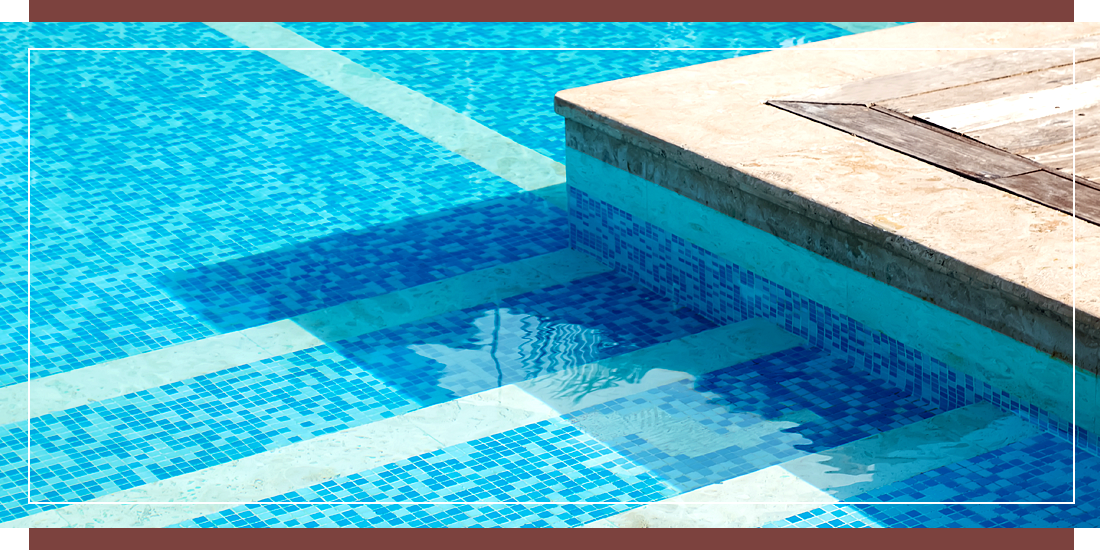
Some people think that mosaic tiles are only suited to traditional or classic interiors, and won’t work as part of a more modern sheme.
Why This Myth Exists
This perception often comes from older or more decorative mosaic styles, such as intricate patterns, natural stone finishes, or classical designs that have been used in more traditional settings.
Because these styles are quite distinctive, they tend to stick in people’s minds. As a result, mosaics are sometimes associated with a particular look, rather than recognised as a flexible format that can adapt to different design styles.
The Truth
Mosaic tiles can work just as well in modern, minimalist, and contemporary interiors as they do in more traditional spaces. In fact, they often play an important role in modern design. While large-format tiles create clean, simple surfaces, mosaics are used to introduce texture, subtle pattern, and visual interest at a smaller scale.
Glass mosaics, linear layouts, and neutral colour palettes are all commonly used in contemporary interiors, where they help soften large surfaces and add depth without disrupting the overall simplicity of the space.
Our Tiling Experts Say:
“Some of the cleanest, most contemporary spaces use mosaics very effectively. It all comes down to the material, the colour palette, and how much of it you use.”
Key takeaways
Mosaic tiles aren’t tied to a single design style
They can be adapted to suit both traditional and modern interiors
In contemporary spaces, they’re often used to add texture rather than decoration
When chosen carefully, mosaics can complement almost any design approach; it’s the material, colour, and layout that define the style, not the format itself.
Myth 8: Mosaic Sheets Are Visible After Installation
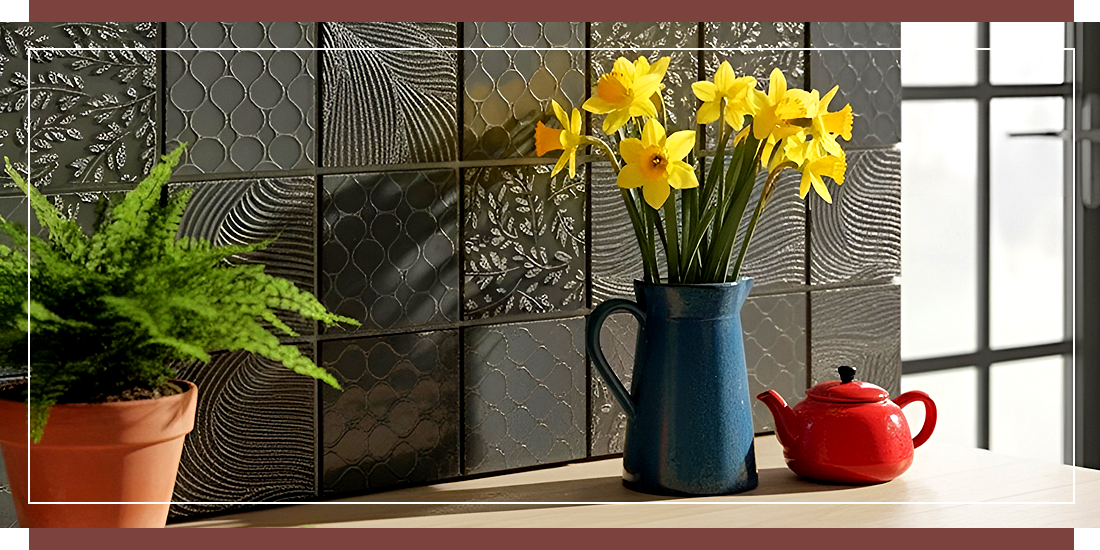
Some people assume that because mosaics are supplied on sheets, the finished surface will somehow show visible grid lines or look less refined than individually laid tiles.
Why This Myth Exists
When you look at mosaic tiles before installation, the sheet format is very obvious. The tiles are grouped together, and it’s easy to imagine those joins staying visible once the surface is complete.
This concern is often reinforced by poor installations where sheet joins haven’t been aligned properly, making the overall finish look more grid-like than seamless.
The Truth
Mosaic sheets are simply there to make installation easier. Once the tiles are installed and grouted, the backing is no longer visible, so the finished surface should read as individual tiles rather than pre-formed sections.
A well-installed mosaic should look continuous across the whole surface. If sheet lines are noticeable, that usually points to an installation issue rather than a problem with the mosaic format itself.
Our Tiling Experts Say:
“The best mosaic work usually goes unnoticed in the right way you see the overall surface, not the joins. That’s often a sign the sheets have been set out and blended properly.”
Key Takeaways
Mosaic sheets are an installation aid, not part of the finished look
Properly installed mosaics should appear seamless once grouted
Visible sheet lines are usually the result of poor alignment, not the sheet format
When mosaic tiles are installed correctly, the sheet format disappears into the finished design.
Myth 9: Mosaic Tiles Use More Grout
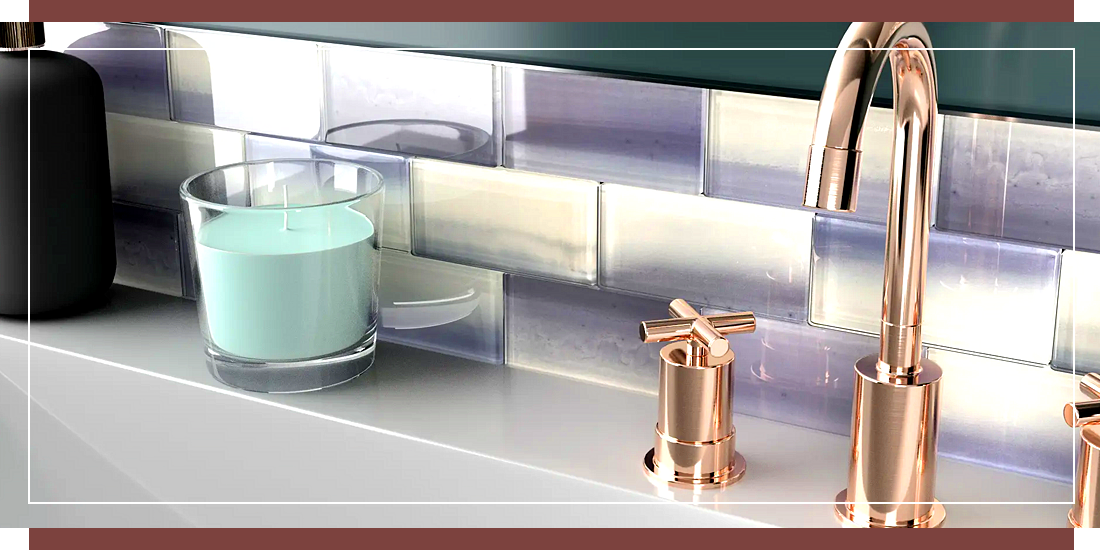
Unlike the other myths in this guide, this one is actually true. In most cases, mosaic tiles do use more grout than larger tiles.
Why This is True
Because mosaics are made up of many smaller pieces, there are naturally more joints between them. As a result, grout plays a bigger role in both the appearance and performance of the finished surface.
This is one of the defining characteristics of mosaic tiling, and it’s worth keeping in mind from the start of a project.
The Truth
Using more grout isn’t necessarily a disadvantage. In fact, in the right setting, it can be a real benefit.
For example, extra grout lines can improve grip underfoot, which is one of the reasons mosaics are often such a good choice for shower floors and other wet areas.
It also means grout becomes a more important design decision. The colour, quality, and application of the grout can have a noticeable effect on the finished look, whether you want a soft, seamless finish or something with more contrast and definition.
So while mosaics do involve more grout, that doesn’t make them less practical. It simply means grout should be treated as an important part of the overall design, rather than something to decide at the last minute.
Our Tiling Experts Say:
“More grout means it becomes part of the design rather than something in the background. That’s why grout colour matters so much more with mosaics than with larger tiles.”
Key Takeaways
Mosaics typically use more grout than larger tiles because there are more spaces between the pieces.
Additional grout lines can provide benefits such as enhanced grip in wet areas.
The grout you choose can significantly change the look and feel of your mosaic installation.
The important thing is to understand how grout contributes to the final look and how the space will be used, and carefully choose an option to give you the finish you want.
Related: A Guide To Grouting Mosaic Tiles
How to Approach Mosaic Tiles With Confidence
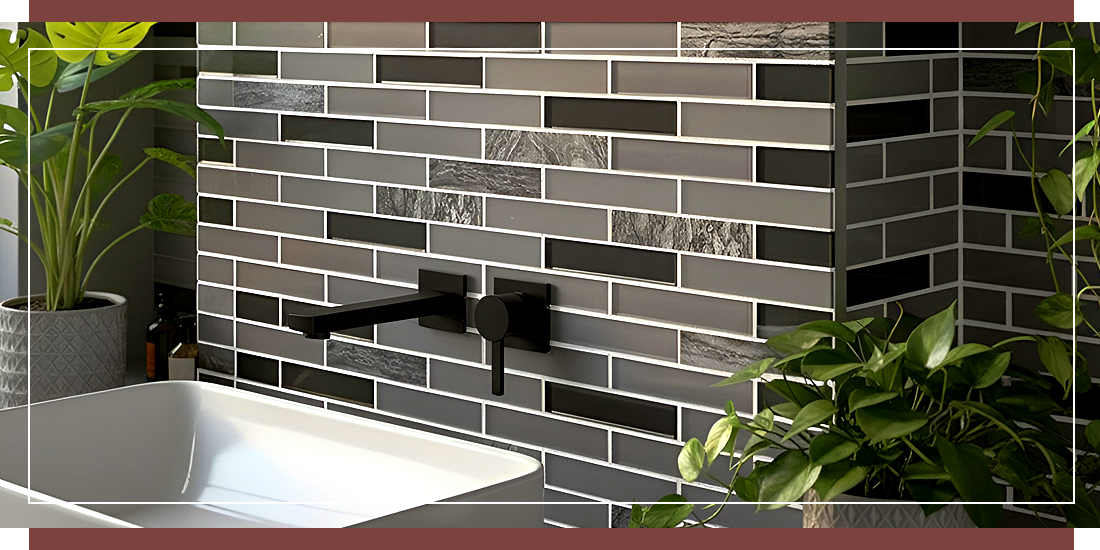
Once you strip away the myths, mosaic tiles become much easier to understand. They’re not outdated, overly difficult, or limited to a single interior style. In most cases, the issues people worry about come down to how mosaics are used, which material is chosen, and whether the installation is done properly.
If you want to approach mosaic tiles with confidence, focus on a few core things first:
Where the tiles will be used
Which material suits that space
How much visual detail the room can handle
Whether the design feels balanced overall
When those basics are right, mosaic tiles become one of the most flexible and effective design tools you can use. They can add texture, depth, contrast, and personality in ways that larger tiles often can’t.
Key Takeaways
Most mosaic tile myths come from generalisations or poor examples
The format itself is highly versatile and practical
The best results come from choosing the right material, layout, and placement
Approached in the right way, mosaic tiles are something you can use with confidence to create beautiful, practical, and unique interiors in your home.